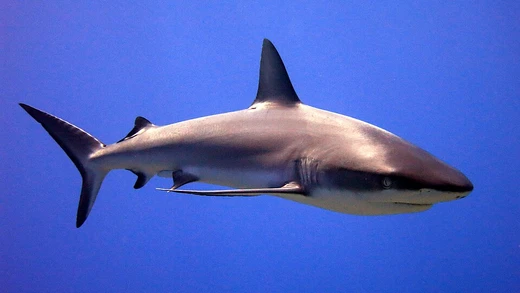
Lemon shark
A social, nocturnal shark with a distinctive yellow hue.

USFWS Headquarters · Public domain
The lemon shark (Negaprion brevirostris) is a species of shark from the family Carcharhinidae, known for its yellowish skin, which inspires its common name. Classified as vulnerable by the International Union for the Conservation of Nature, it is found in shallow subtropical waters and is noted for its social behavior and use of specific nursery sites.
- Scientific name
- Negaprion brevirostris
- Maximum length
- 3.43 m (11.3 ft)
- Typical lifespan
- 25 to 30 years
- Conservation status
- Vulnerable
Lore & Background
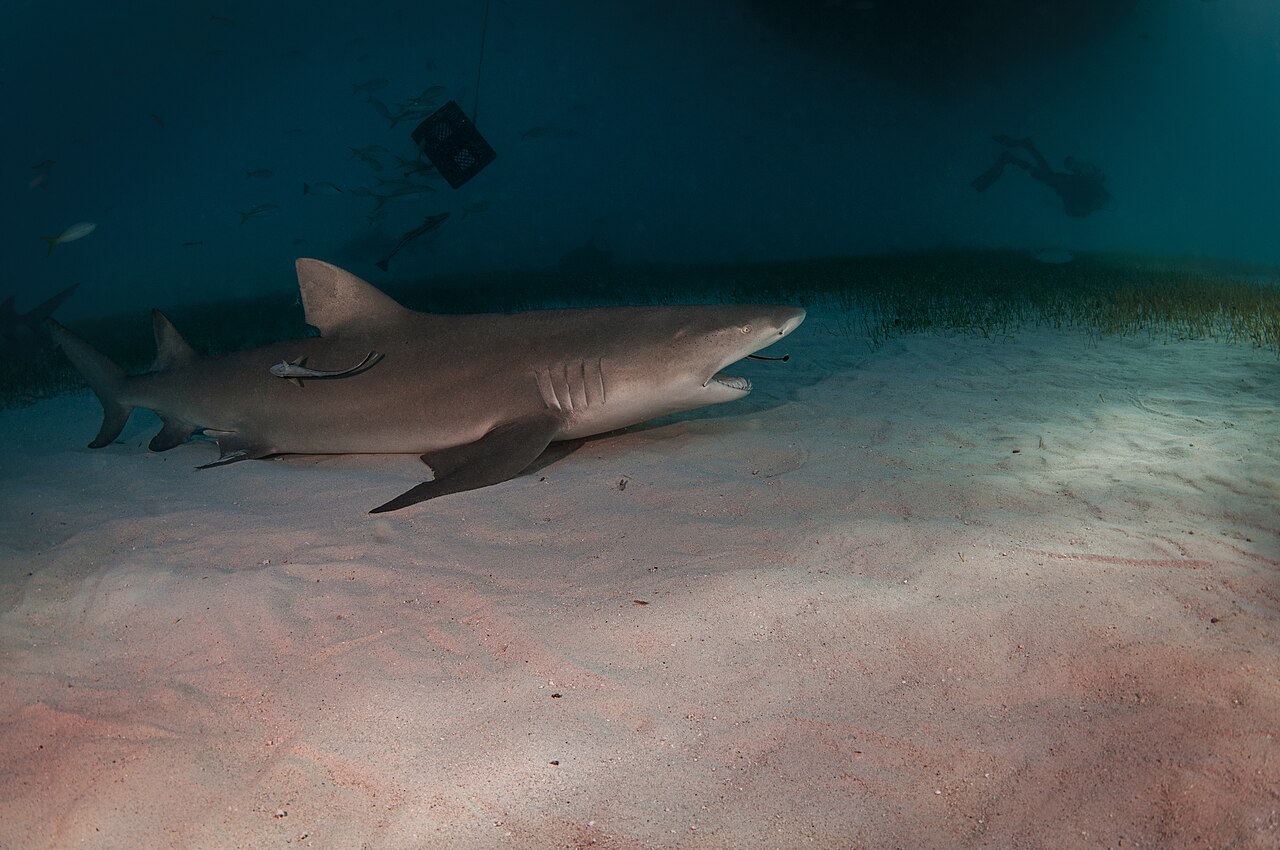
Its earliest fossil remains date from the Early Miocene of Odisha (India), Peru, and Cuba, with more widespread fossils in the Americas and western Africa from the Middle Miocene onward. The species' yellow coloring provides camouflage over sandy seafloors, and it has a flattened head with a short, broad snout and a second dorsal fin nearly as large as the first. Lemon sharks are found from New Jersey to southern Brazil in the tropical western Atlantic, off the coast of west Africa, and in the eastern Pacific from southern Baja California to Ecuador, as well as in Cape Verde. They select warm, shallow habitats with rocky or sandy bottoms, often near mangroves that serve as nursery sites. These sharks feed at night, using electroreceptors to detect prey, and display a high degree of preference for certain species and size of prey, conforming to optimal foraging theory.
Reader's Guide
The lemon shark is significant as a model species for understanding social behavior in sharks, challenging the belief that all sharks are solitary, opportunistic predators. Its tendency to use nursery areas for extended periods has allowed researchers to study feeding behaviors and habitat selection in detail. The species' social structure includes group living with benefits such as enhanced communication, courtship, predatory behavior, and protection, though it also carries costs like increased disease risk and competition. Lemon sharks are not considered a large threat to humans, with only 10 recorded bites, none life-threatening. Their vulnerable conservation status highlights the need for continued study and protection of their coastal and mangrove habitats, which are critical for breeding and juvenile survival.
Did You Know?
- Lemon sharks use electroreceptors called ampullae of Lorenzini to detect prey in the dark.
- Females are polyandrous and have a biennial reproductive cycle.
- Lemon sharks have been observed swimming up rivers but do not travel far into fresh water.
Physical Form and the Senses of a Night Hunter
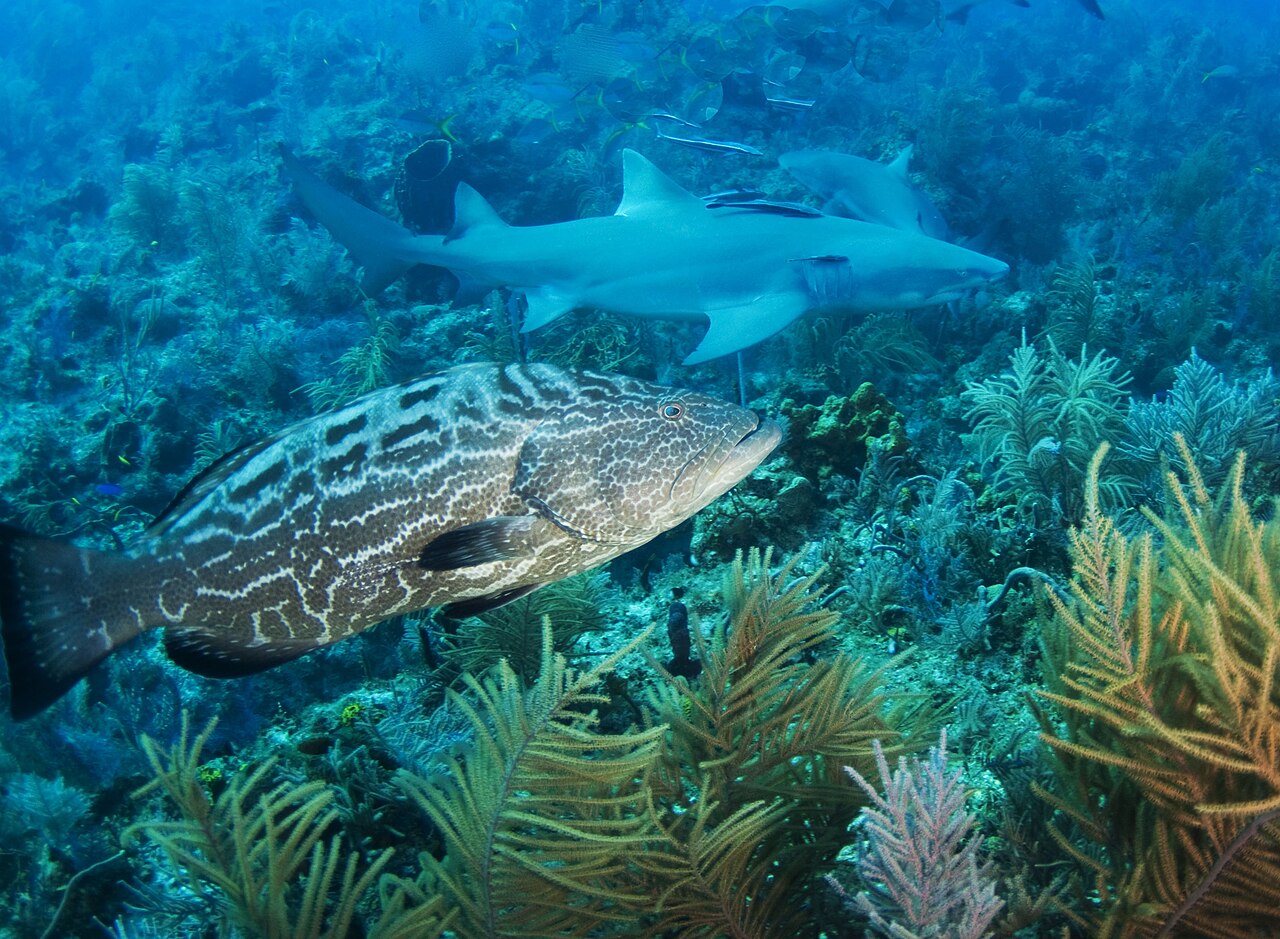
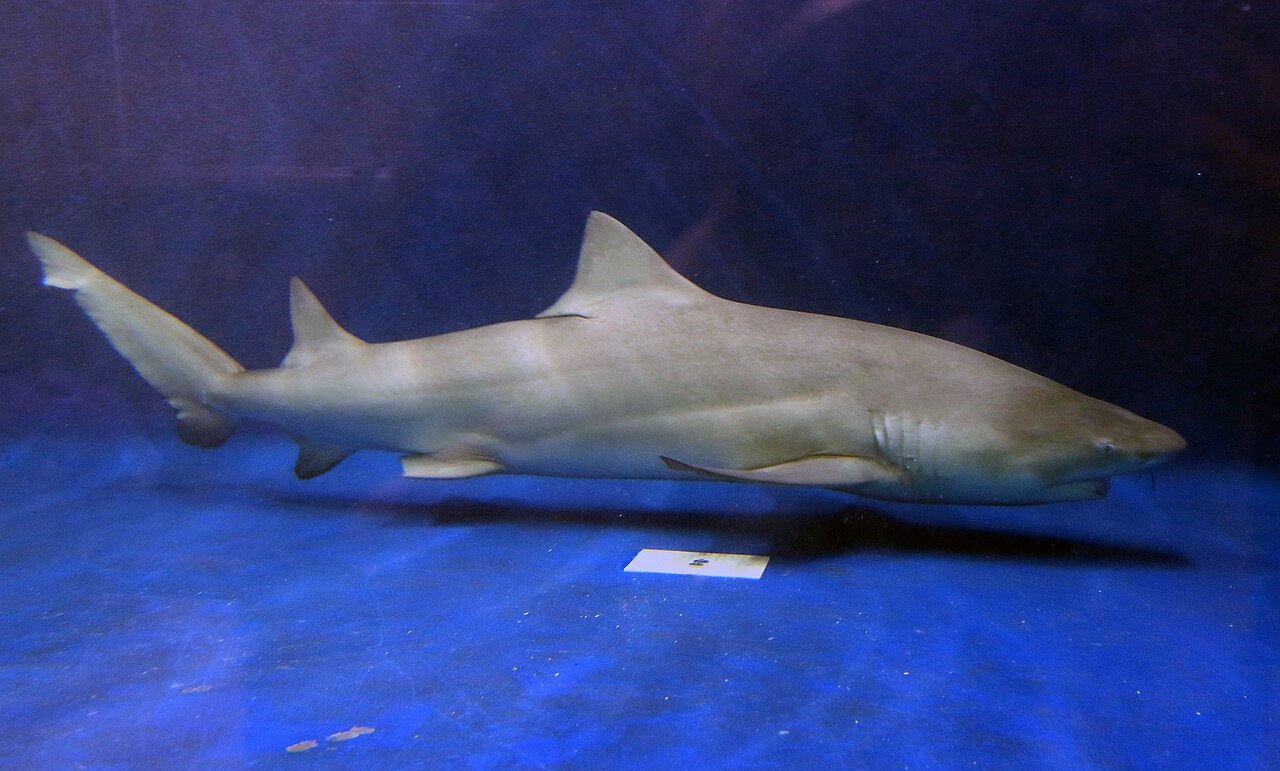
The lemon shark's most immediately striking feature is its pale yellowish skin, a coloration that blends seamlessly with the sandy seabeds of its coastal range. This natural camouflage is no accident; it allows the animal to hover over shallow, sunlit bottoms without standing out to either prey or potential rivals. Its body plan reinforces this low-profile strategy: a flattened head with a short, broad snout, and a second dorsal fin that nearly matches the first in size. This near-equal pairing of dorsal fins is, in fact, the key field mark that separates lemon sharks from the visually similar bull shark, whose fins are noticeably unequal. Males reach sexual maturity at roughly 2.24 meters, females at 2.40 meters. Beneath the skin, concentrated clusters of electroreceptors called the ampullae of Lorenzini line the head, enabling these nocturnal hunters to detect the faint electrical pulses emitted by fish in total darkness.
Mangrove Nurseries and the Logic of Habitat Choice
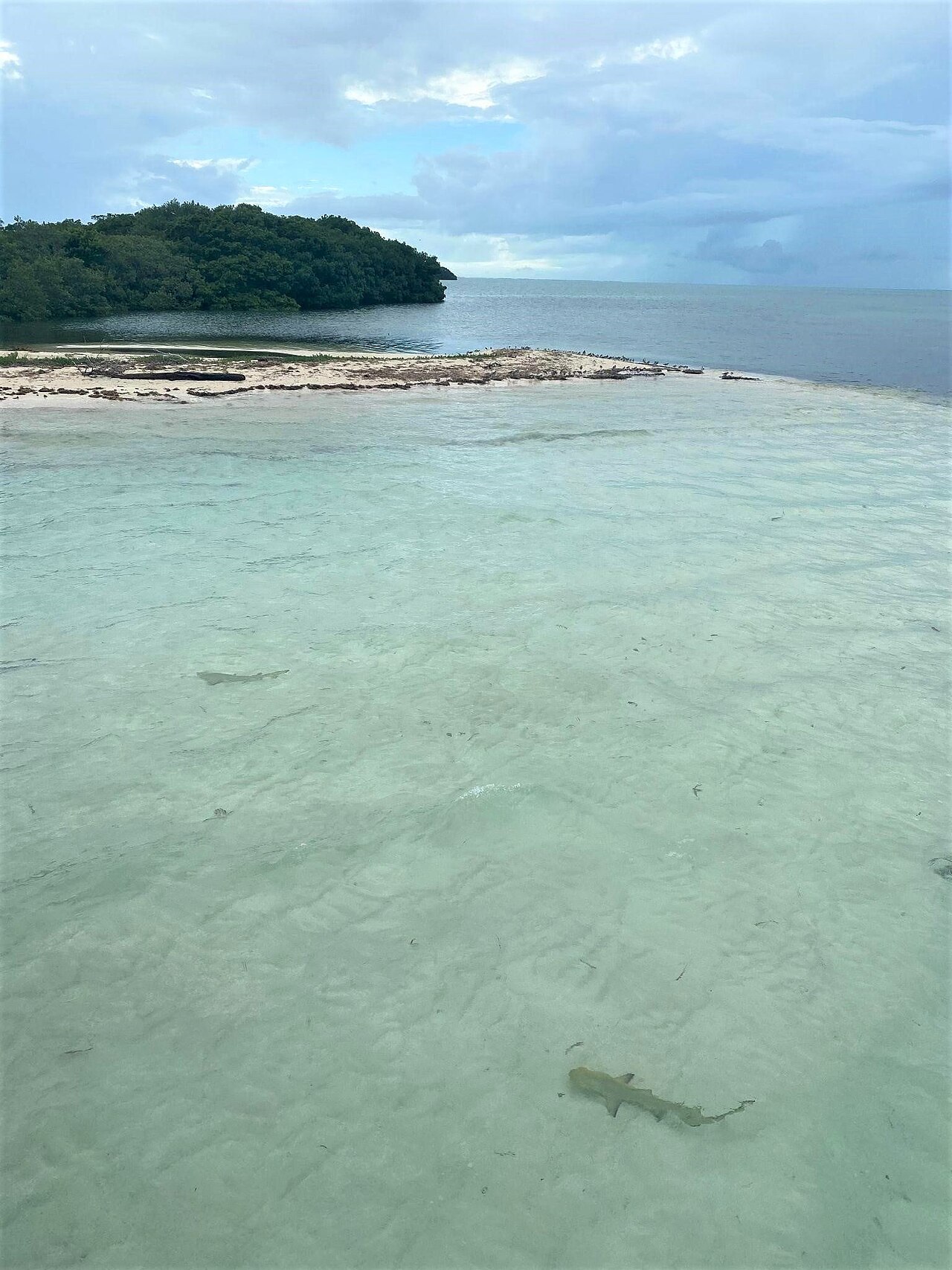
Lemon sharks are strongly associated with warm, shallow waters over rocky or sandy substrates, and their habitat preferences reveal a careful balancing act between foraging efficiency and predator avoidance. They actively steer clear of dense seagrass beds, where the thick vegetation makes locating prey considerably more difficult. Perhaps their most studied habitat relationship is with mangrove ecosystems. Mangroves serve as nursery sites: areas where juvenile sharks are most commonly encountered, where they tend to remain after birth, and where groups return repeatedly over multiple years. Two competing explanations have been proposed. Mangroves may attract young sharks because of the rich prey communities they shelter, or they may function as refuges, since adult lemon sharks that occasionally prey on juveniles cannot follow them into the shallow, tangled root systems. As individuals grow larger and face less predation risk, they undergo ontogenetic niche shifts, moving into progressively deeper waters.
Social Structure and the Rhythms of Reproduction
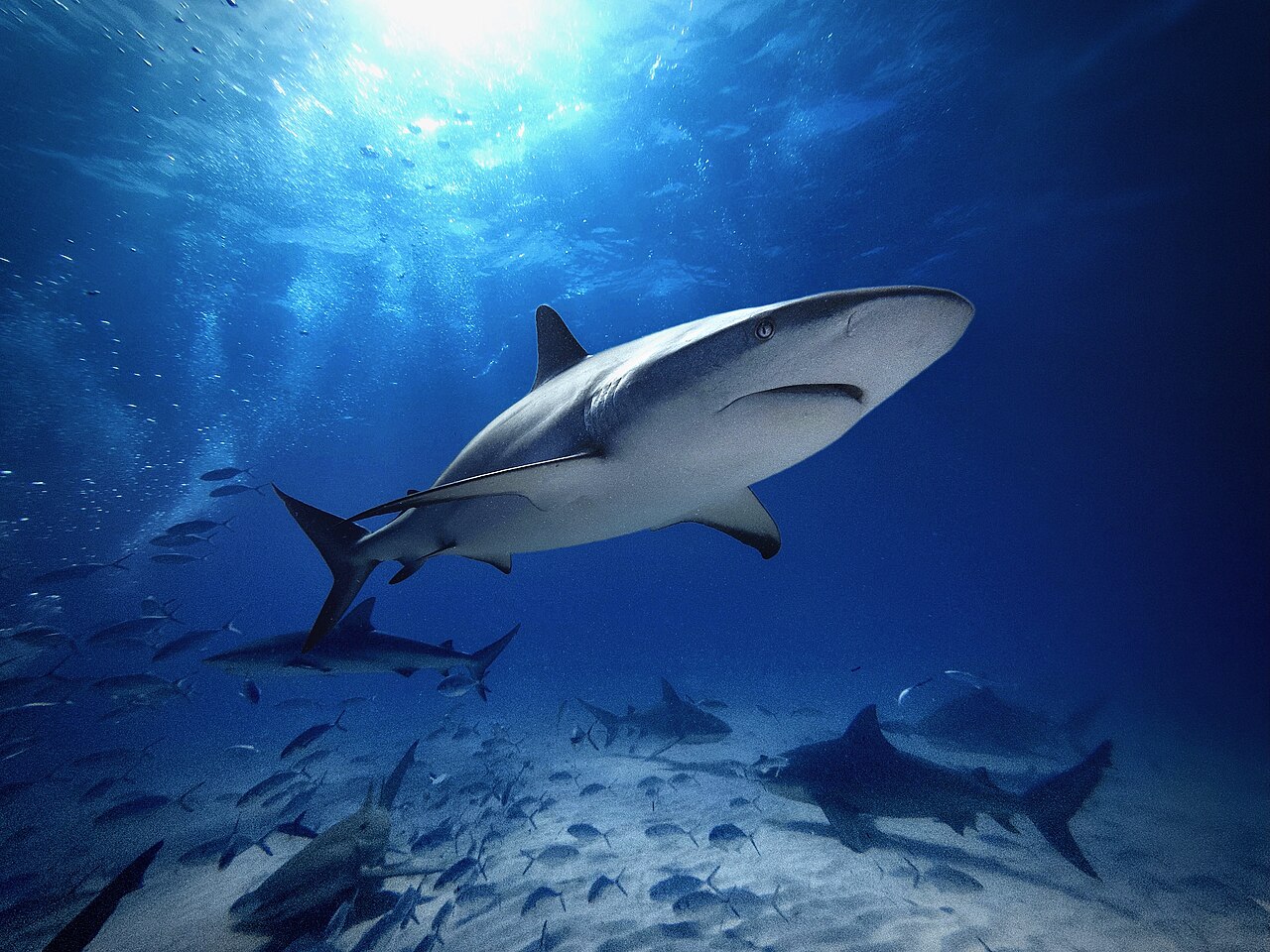
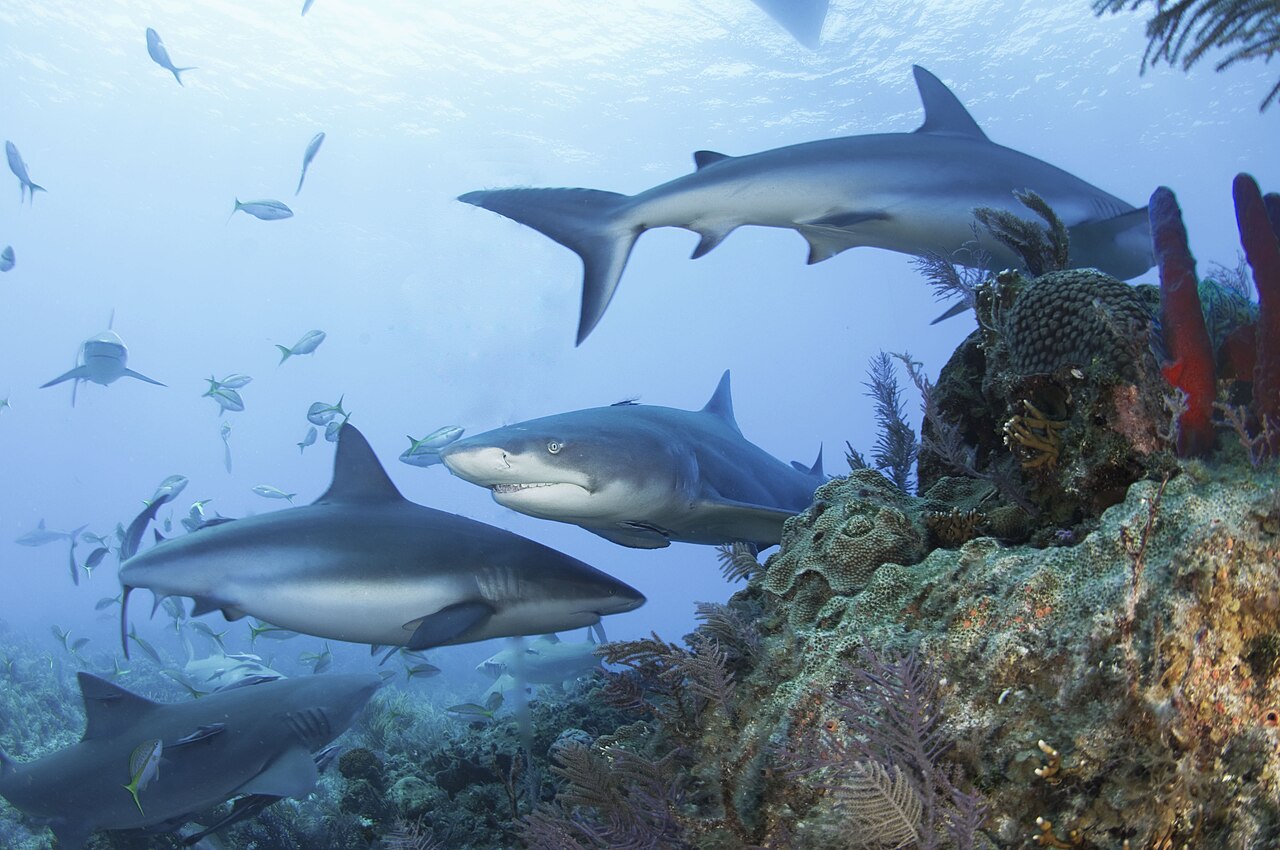
Unlike many shark species that are portrayed as solitary, lemon sharks clearly benefit from group living. Social aggregation enhances communication, facilitates courtship displays, coordinates predatory tactics, and offers collective protection. Reproduction in this species is viviparous—females give birth to live young—and follows a biennial cycle, meaning a full reproductive event occurs roughly every two years. Females are polyandrous, mating with multiple males, which adds a layer of genetic complexity to the population. The social and reproductive life of lemon sharks also carries a darker edge: intraspecific predation, or cannibalism, in which larger individuals consume juvenile conspecifics, has been documented. Despite this, the species has served as an important model in marine ecology, challenging the long-held assumption that all sharks are purely asynchronous, opportunistic predators. Because lemon sharks maintain well-defined home ranges and return to the same nursery areas year after year, researchers can accurately quantify both the prey available in their environment and the actual composition of their diet. Their nocturnal feeding habits, primarily on fish but also on crustaceans and benthic organisms, further make them a tractable subject for studying predator-prey dynamics in shallow tropical systems.
A Gentle Giant in the Public Imagination
Despite their imposing size, lemon sharks occupy a remarkably benign position in human history. Across the entire documented record, only ten bites have been attributed to this species, and not a single one proved life-threatening. They are not considered a significant danger to people, a fact that stands in sharp contrast to the fearsome reputation many sharks carry. Their conservation status, however, tells a more urgent story: the International Union for Conservation of Nature classifies the lemon shark as vulnerable, reflecting pressures on the shallow coastal habitats they depend on. Over the following decades, the shark appeared in the literature under several other combinations, including Carcharias fronto and Carcharhinus brevirostris, before the taxonomy settled. Their range spans the tropical western Atlantic from New Jersey to southern Brazil, extends to the southeastern Atlantic off West Africa, and includes isolated populations in the eastern Pacific and Cape Verde.
Common Misconceptions (Editorial)
- Some people may think lemon sharks are named for a sour temperament or taste, but the name actually comes from their yellowish skin, which provides camouflage over sandy seafloors. - A common misconception is that lemon sharks cannot tolerate fresh water, but they have been observed swimming up rivers, though they do not travel far into fresh water.
Why It Matters (Editorial)
The lemon shark’s role as a vulnerable, social predator in shallow coastal ecosystems highlights how even familiar species can face significant conservation pressures. Its well-documented use of specific nursery sites and preference for certain prey makes it a valuable model for studying animal behavior, while its ancient fossil record reminds us that these sharks have been part of ocean life for millions of years.
Gallery
Frequently Asked Questions
Where do lemon sharks live and how do they behave?
They favor shallow subtropical coastal waters and are known for gathering in social groups around specific nursery areas. They tend to be most active at night, giving them a distinctly nocturnal lifestyle.
Why is the lemon shark listed as vulnerable?
The IUCN classifies the species as Vulnerable, reflecting ongoing pressures on its populations. Its dependence on particular shallow nursery habitats makes it especially sensitive to coastal development and habitat degradation.
What sets the lemon shark apart from other sharks?
Its distinctive yellowish hue clearly distinguishes it from most other requiem sharks. It is also notably social and site-faithful, returning to the same nursery locations rather than roaming broadly like many other species.
More in Sharks 1-22
Spotted an error? Know more?
This is a living reference — every entry is fact-audited, and reader corrections feed straight into our audit queue. Suggest an edit · See this site's audit record